Dental Clinic, General

The Importance of Technician Expertise in Dental Restorations

Introduction

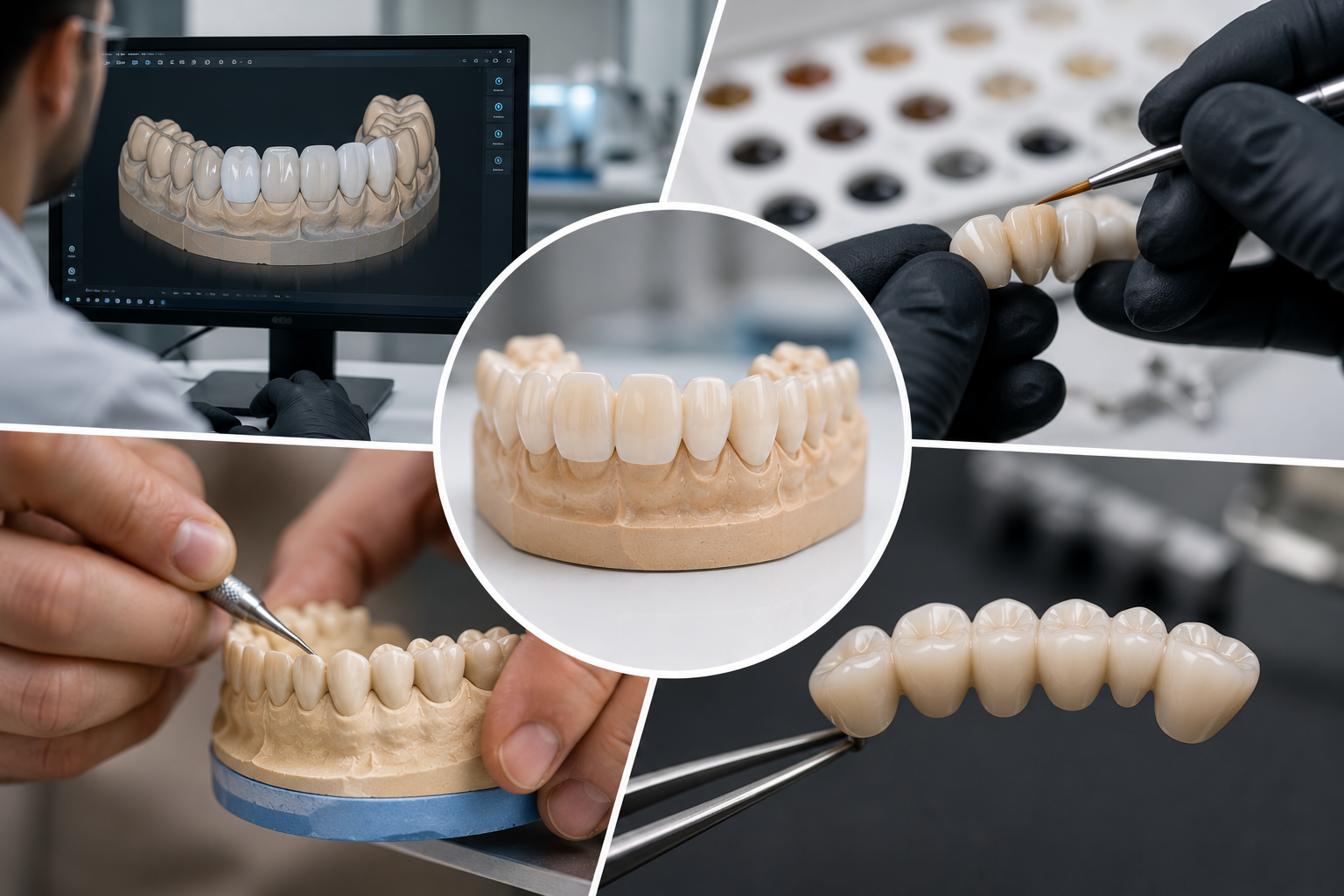
Modern dental restorations rely on advanced materials, digital workflows, and cutting-edge technology. However, even the most advanced equipment cannot replace the knowledge and skill of an experienced dental technician. Behind every successful crown, bridge, veneer, or implant restoration is a technician who carefully designs, fabricates, and refines each restoration to achieve the best possible result.

The quality of technician expertise directly affects the accuracy, aesthetics, and longevity of dental restorations. Skilled technicians understand how to combine digital precision with craftsmanship, ensuring that every restoration meets both clinical and patient expectations.

This article explains why technician expertise is essential in modern dentistry and how it contributes to successful restorative outcomes.

What Is Technician Expertise?

Technician expertise refers to the knowledge, practical skills, and experience required to manufacture high-quality dental restorations.

Experienced dental technicians understand:

  • Dental anatomy
  • Occlusion
  • Smile aesthetics
  • Restorative materials
  • CAD/CAM technology
  • Implant prosthetics
  • Digital workflows

This expertise allows technicians to create restorations that fit accurately, function properly, and look natural.


Why Technician Expertise Matters

Every dental restoration is unique. Even with digital technology, successful results depend on the technician’s ability to make informed decisions throughout the manufacturing process.

Strong technician expertise helps ensure:

  • Accurate restoration fit
  • Natural aesthetics
  • Proper occlusion
  • Long-term durability
  • Reduced adjustments
  • Greater patient satisfaction

A skilled technician transforms digital data into restorations that meet high clinical standards.


Achieving Natural Aesthetics

One of the most important responsibilities of a dental technician is creating restorations that blend seamlessly with natural teeth.

Key aesthetic considerations include:

  • Tooth shape
  • Surface texture
  • Color matching
  • Translucency
  • Proportions
  • Smile harmony

Even with advanced CAD/CAM systems, artistic judgment is essential for achieving lifelike results.


Ensuring Precision and Accuracy

Accurate restorations improve comfort, function, and long-term success.

Experienced technicians carefully evaluate:

  • Marginal fit
  • Contact points
  • Occlusion
  • Implant connections
  • Prosthetic design

Attention to detail minimizes remakes and reduces chairside adjustments.


Working with Advanced Materials

Modern dental laboratories use a wide range of restorative materials.

Common materials include:

  • Zirconia
  • Lithium disilicate
  • PMMA
  • Composite resin
  • Titanium

Each material requires different manufacturing techniques and finishing procedures.

Technicians with extensive experience understand how to select and process the most appropriate material for each case.


Supporting Digital Dentistry

Digital technology has transformed laboratory workflows, but human expertise remains essential.

Technicians work with:

  • Intraoral scans
  • CAD software
  • CAM milling systems
  • 3D printers
  • Digital smile design

Technology improves efficiency, while technician expertise ensures quality and precision.


Collaboration with Dentists

Successful restorations require close communication between dentists and dental technicians.

Technicians contribute by:

  • Reviewing treatment plans
  • Advising on material selection
  • Designing restorations
  • Solving technical challenges
  • Improving prosthetic outcomes

Strong collaboration reduces errors and improves treatment predictability.


The Role in Implant Restorations

Implant cases require exceptional accuracy and experience.

Technicians help with:

  • Custom abutment design
  • Full-arch restorations
  • Screw-retained restorations
  • Passive fit verification
  • Occlusal adjustments

Their expertise plays a major role in the long-term success of implant-supported restorations.


Quality Control

Before every restoration is delivered, skilled technicians perform detailed quality checks.

They inspect:

  • Marginal adaptation
  • Surface finish
  • Shade accuracy
  • Contacts
  • Overall fit

This final inspection helps ensure consistent, high-quality results.


Continuous Learning

Dentistry continues to evolve with new materials and digital technologies.

Experienced technicians regularly update their knowledge through:

  • Professional training
  • Digital workflow education
  • CAD/CAM advancements
  • Material research
  • Industry workshops

Continuous learning allows laboratories to provide modern, reliable restorative solutions.


Benefits for Dental Clinics

Working with experienced technicians offers several advantages:

  • Higher restoration quality
  • Faster problem-solving
  • Better communication
  • More predictable outcomes
  • Fewer remakes
  • Greater patient satisfaction

A skilled laboratory team becomes a valuable partner in delivering excellent dental care.


Conclusion

While digital technology has transformed restorative dentistry, the success of every restoration still depends on the skill and experience of the people behind it. Technician expertise combines scientific knowledge, technical precision, and artistic craftsmanship to produce restorations that are functional, durable, and natural-looking.

By investing in highly trained technicians and maintaining strong collaboration between clinics and laboratories, dental professionals can consistently deliver outstanding restorative results. As dentistry continues to evolve, technician expertise will remain one of the most important factors in achieving long-term clinical success.

Start Your Case Planning