Case Planning, Dental Clinic, General, Zirconia

The Complete Guide to Zirconia Restorations

Introduction

Zirconia restorations have become one of the most popular choices in modern restorative dentistry. Known for their exceptional strength, natural appearance, and long-term durability, zirconia restorations are widely used for crowns, bridges, implant-supported prostheses, and full-mouth rehabilitations. Advances in digital dentistry and CAD/CAM technology have further improved their precision, making zirconia a preferred material for both clinicians and dental laboratories.

Today, zirconia restorations offer an ideal balance between aesthetics and function. Whether restoring a single tooth or an entire dental arch, zirconia restorations provide predictable clinical outcomes with excellent patient satisfaction. As materials and manufacturing techniques continue to evolve, zirconia restorations remain at the forefront of restorative dentistry.

This complete guide explains everything you need to know about zirconia restorations, including their types, benefits, clinical applications, fabrication process, and long-term maintenance.

What Are Zirconia Restorations?

Zirconia restorations are dental prostheses made from zirconium dioxide, a high-performance ceramic material known for its strength and biocompatibility.

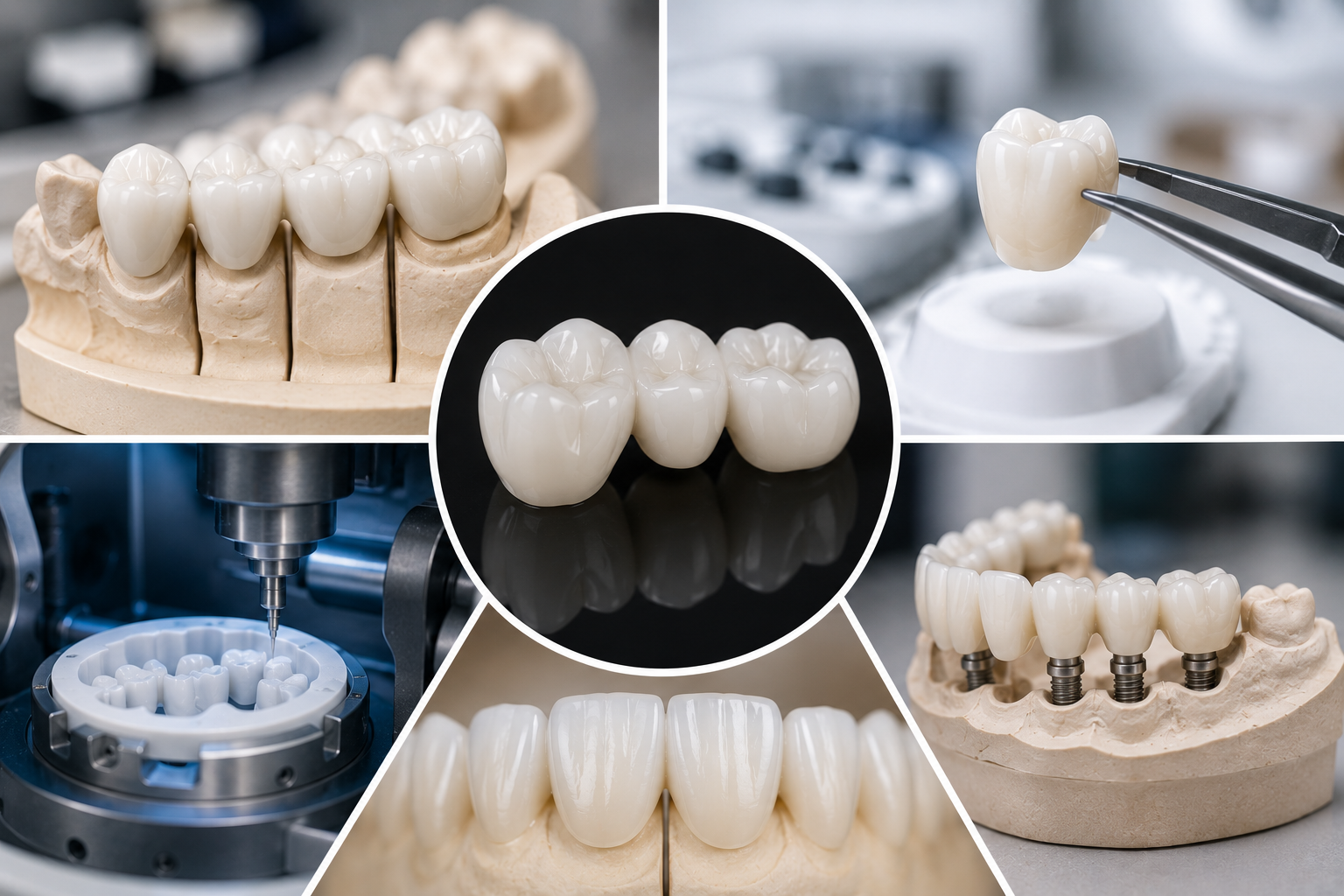
Common zirconia restorations include:

  • Single crowns
  • Dental bridges
  • Implant-supported crowns
  • Full-arch implant prostheses
  • Inlays and onlays
  • Veneers in selected cases

Unlike traditional metal-based restorations, zirconia offers excellent aesthetics while maintaining outstanding mechanical properties.


Why Zirconia Is So Popular

Zirconia has become increasingly popular because it combines durability with a natural appearance.

Its main advantages include:

  • High fracture resistance
  • Excellent biocompatibility
  • Natural tooth-like aesthetics
  • Resistance to wear
  • Long-term durability
  • Metal-free composition

These characteristics make zirconia suitable for both anterior and posterior restorations.


Types of Zirconia Restorations

Modern dentistry offers several types of zirconia materials designed for different clinical situations.

Monolithic Zirconia

Monolithic zirconia is milled from a single block of zirconia, providing exceptional strength and reducing the risk of chipping.

Best suited for:

  • Posterior crowns
  • Bridges
  • Implant restorations
  • Full-arch prostheses

High-Translucency Zirconia

This material offers improved light transmission for highly aesthetic restorations.

Ideal for:

  • Anterior crowns
  • Cosmetic restorations
  • Smile makeover cases

Multilayer Zirconia

Multilayer zirconia features natural color gradients that closely resemble natural teeth.

Benefits include:

  • Enhanced aesthetics
  • Natural shade transitions
  • Reduced manual staining
  • Excellent strength

Clinical Applications

Zirconia restorations are suitable for a wide range of restorative treatments.

Common applications include:

Dental Crowns

Zirconia crowns provide excellent strength and aesthetics for damaged teeth.

Dental Bridges

Their high fracture resistance makes zirconia ideal for multi-unit restorations.

Implant Restorations

Zirconia is frequently used for implant-supported crowns and bridges due to its precision and durability.

Full-Arch Restorations

Digital workflows allow dental laboratories to fabricate full-arch zirconia prostheses with exceptional accuracy.


The CAD/CAM Workflow

Modern zirconia restorations are produced using advanced digital technology.

The typical workflow includes:

  1. Digital impressions using an intraoral scanner
  2. CAD design of the restoration
  3. CAM milling from zirconia blocks
  4. Sintering at high temperatures
  5. Characterization and polishing
  6. Quality control
  7. Final delivery

Digital manufacturing significantly improves restoration accuracy while reducing production time.


Advantages of Zirconia Restorations

Outstanding Strength

Zirconia is one of the strongest ceramic materials available in dentistry.

Excellent Aesthetics

Modern translucent zirconia closely mimics the appearance of natural enamel.

Superior Biocompatibility

Zirconia is highly compatible with surrounding soft tissues and causes minimal allergic reactions.

Long-Term Durability

With proper care, zirconia restorations can last many years while maintaining their appearance and function.

Digital Precision

CAD/CAM manufacturing improves fit and minimizes adjustments.


Comparison with Other Materials

Material Strength Aesthetics Durability
Zirconia Excellent Excellent Excellent
Lithium Disilicate Moderate Excellent Very Good
Metal-Ceramic Very Good Good Very Good
Composite Moderate Good Moderate

For many restorative situations, zirconia offers the best balance between aesthetics and durability.


The Role of Dental Laboratories

Dental laboratories play a crucial role in the success of zirconia restorations.

Laboratory technicians are responsible for:

  • CAD design
  • Material selection
  • Milling
  • Sintering
  • Surface characterization
  • Occlusal adjustments
  • Final quality inspection

Close communication between clinicians and laboratories ensures optimal restorative outcomes.


Caring for Zirconia Restorations

Although zirconia is highly durable, patients should follow good oral hygiene practices to maximize restoration longevity.

Recommended care includes:

  • Brushing twice daily
  • Daily flossing
  • Routine dental examinations
  • Professional cleanings
  • Avoiding excessive biting forces on hard objects

Regular maintenance helps preserve both the restoration and surrounding oral tissues.


Future Developments

Digital dentistry continues to improve zirconia restoration technology.

Emerging innovations include:

  • Artificial intelligence-assisted design
  • Advanced multilayer zirconia materials
  • Faster milling systems
  • Improved CAD software
  • Fully digital restorative workflows
  • Enhanced shade-matching technology

These advancements will continue to improve treatment predictability and patient satisfaction.


Conclusion

Zirconia restorations have become the gold standard for many restorative and implant treatments because they combine exceptional strength, natural aesthetics, and long-term durability. Supported by modern CAD/CAM technology and digital workflows, they offer highly accurate and predictable results for both clinicians and dental laboratories.

As restorative dentistry continues to evolve, zirconia restorations will remain one of the most reliable solutions for achieving functional, aesthetic, and long-lasting dental restorations. Whether used for single crowns, bridges, or full-arch implant prostheses, zirconia restorations continue to set the benchmark for modern restorative care.

Start Your Case Planning