CAD/CAM, Dental Clinic, Digital Dentistry, General

Smile Design Trends in Modern Dentistry

Introduction

Modern dentistry is no longer focused only on restoring damaged teeth. Today, patients increasingly look for treatments that combine oral health, function, and natural-looking aesthetics. Advances in digital technology, restorative materials, and treatment planning have transformed the way dental professionals approach aesthetic treatments.

One of the most important developments is smile design, which allows dentists and dental laboratories to plan and visualize a patient’s ideal smile before treatment begins. Digital tools, high-quality imaging, and advanced restorative techniques are making aesthetic treatments more predictable and personalized.

This article explores the latest smile design trends in modern dentistry and how they are changing the collaboration between dental clinics and laboratories.
Digital Smile Design

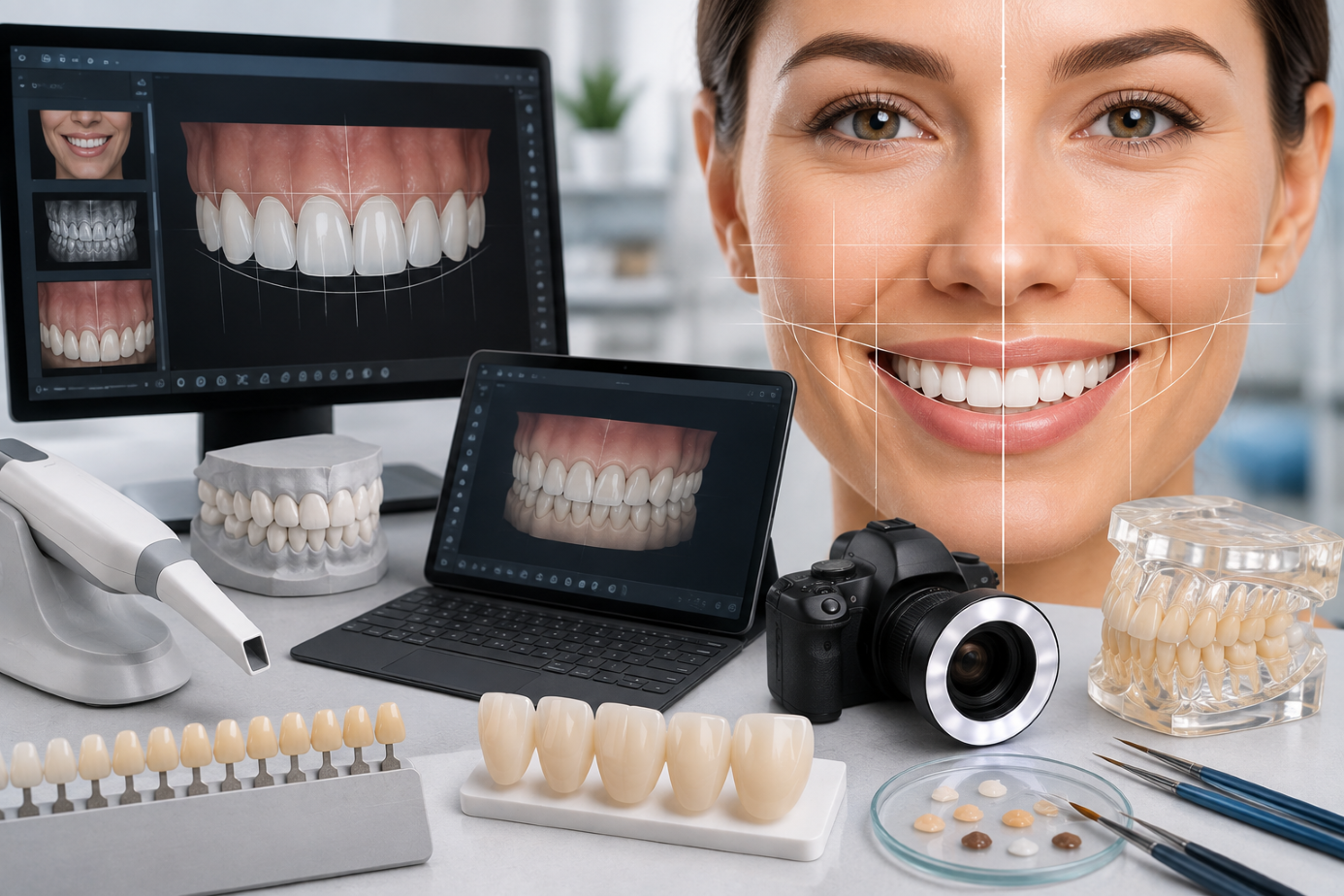
Digital technology has become an essential part of modern aesthetic dentistry. Digital Smile Design allows clinicians to analyze facial features, tooth proportions, gum contours, and smile characteristics before creating a treatment plan.

Digital planning can include:

  • Facial photography
  • Intraoral scans
  • Digital impressions
  • 3D models
  • Smile simulations
  • CAD software

These tools allow clinicians and technicians to visualize the proposed outcome and make adjustments before the final restorations are fabricated.

Natural-Looking Aesthetics

One of the biggest trends in modern dentistry is the move toward natural-looking results.

Patients increasingly prefer smiles that complement their facial features rather than unnaturally white or overly uniform teeth. Modern restorations can include subtle variations in:

  • Tooth shape
  • Surface texture
  • Translucency
  • Shade
  • Incisal effects
  • Individual tooth characteristics

The goal is to create a balanced and realistic appearance that fits the individual patient.

Personalized Smile Design

There is no single ideal smile for every patient. Modern aesthetic dentistry increasingly focuses on personalization.

A treatment plan may consider:

  • Facial shape
  • Lip position
  • Smile line
  • Tooth proportions
  • Age
  • Gender characteristics
  • Facial symmetry
  • Patient expectations

By combining these factors, clinicians can create restorations that are both aesthetically pleasing and appropriate for the individual.

Advanced Digital Workflows

Digital workflows are improving communication and accuracy throughout the treatment process.

A typical workflow may involve:

  1. Digital scanning
  2. Facial and intraoral photography
  3. Digital treatment planning
  4. CAD design
  5. Patient approval
  6. Fabrication of provisional restorations
  7. Final restoration production

Digital files can be shared quickly between clinics and dental laboratories, reducing communication errors and improving efficiency.

The Growing Role of Mock-Ups

Smile mock-ups have become an important tool in aesthetic dentistry.

A mock-up allows patients to preview the proposed changes before permanent treatment begins. This can help evaluate:

  • Tooth length
  • Tooth shape
  • Smile proportions
  • Lip support
  • Phonetics
  • Overall aesthetics

It also gives patients the opportunity to provide feedback before final restorations are produced.

High-Translucency Restorative Materials

Modern materials are helping dental professionals achieve increasingly natural results.

Popular materials include:

  • High-translucency zirconia
  • Multilayer zirconia
  • Lithium disilicate
  • Advanced ceramic systems
  • Composite materials

These materials provide improved optical properties while maintaining the strength required for long-term restorations.

AI and Smile Design

Artificial intelligence is beginning to play a larger role in digital dentistry.

AI-assisted tools can support:

  • Facial analysis
  • Tooth detection
  • Smile evaluation
  • Treatment simulations
  • Automated restoration design

Although professional judgment remains essential, AI can help make digital workflows faster and more efficient.

Minimally Invasive Aesthetic Dentistry

Another important trend is the focus on preserving as much natural tooth structure as possible.

Depending on the clinical situation, treatment options may include:

  • Minimal-preparation veneers
  • No-prep veneers in selected cases
  • Composite bonding
  • Teeth whitening
  • Orthodontic treatment before restoration

A minimally invasive approach can help achieve aesthetic improvements while reducing unnecessary tooth preparation.

Improved Collaboration Between Clinics and Laboratories

Successful aesthetic treatments depend on strong communication between dentists and dental technicians.

Digital workflows allow laboratories to receive:

  • Intraoral scans
  • Clinical photographs
  • Facial scans
  • Shade information
  • Treatment notes
  • Digital smile designs

This information helps technicians understand the clinical and aesthetic goals of each case.

The dental laboratory can then contribute its technical and artistic expertise throughout the smile design process.

Patient Involvement in Treatment Planning

Patients are becoming more involved in aesthetic treatment decisions.

Digital simulations, photographs, and mock-ups help patients better understand:

  • Possible treatment options
  • Expected aesthetic changes
  • Restoration shapes
  • Smile proportions

This improves communication and helps create realistic expectations before treatment begins.

The Future of Smile Design

The future of aesthetic dentistry will likely involve even greater integration between digital technology, artificial intelligence, and advanced materials.

Emerging developments may include:

  • AI-assisted smile analysis
  • 3D facial scanning
  • More realistic digital simulations
  • Automated CAD design
  • Improved multilayer ceramics
  • Virtual treatment planning
  • Integrated clinic-to-laboratory workflows

These technologies will continue to improve the accuracy, efficiency, and personalization of aesthetic dental treatments.

Conclusion

Modern smile design is becoming increasingly digital, personalized, and patient-centered. Rather than focusing on a single standard of beauty, today’s approach considers facial features, natural tooth characteristics, function, and individual expectations.

With the support of digital workflows, advanced materials, AI-assisted tools, and close collaboration between clinicians and dental laboratories, modern dentistry can create highly personalized and natural-looking results. As technology continues to evolve, smile design will remain an important part of the future of aesthetic and restorative dentistry.

Start Your Case Planning