Case Planning, Dental Clinic, General

Why Is Case Planning Important for Implant Restorations?

Introduction

Dental implants have become one of the most predictable and successful solutions for replacing missing teeth. However, the long-term success of implant restorations depends on much more than the surgical placement of implants. Careful preparation and coordination between clinicians and dental laboratories are essential at every stage of treatment. This is why case planning plays a critical role in implant dentistry.

Effective case planning helps dental professionals evaluate patient needs, identify potential risks, and develop a treatment strategy that ensures optimal function and aesthetics. Without proper planning, implant restorations may face complications related to fit, stability, or long-term performance.

This article explores why case planning is so important for implant restorations and how it contributes to successful treatment outcomes.

What Is Case Planning in Implant Dentistry?

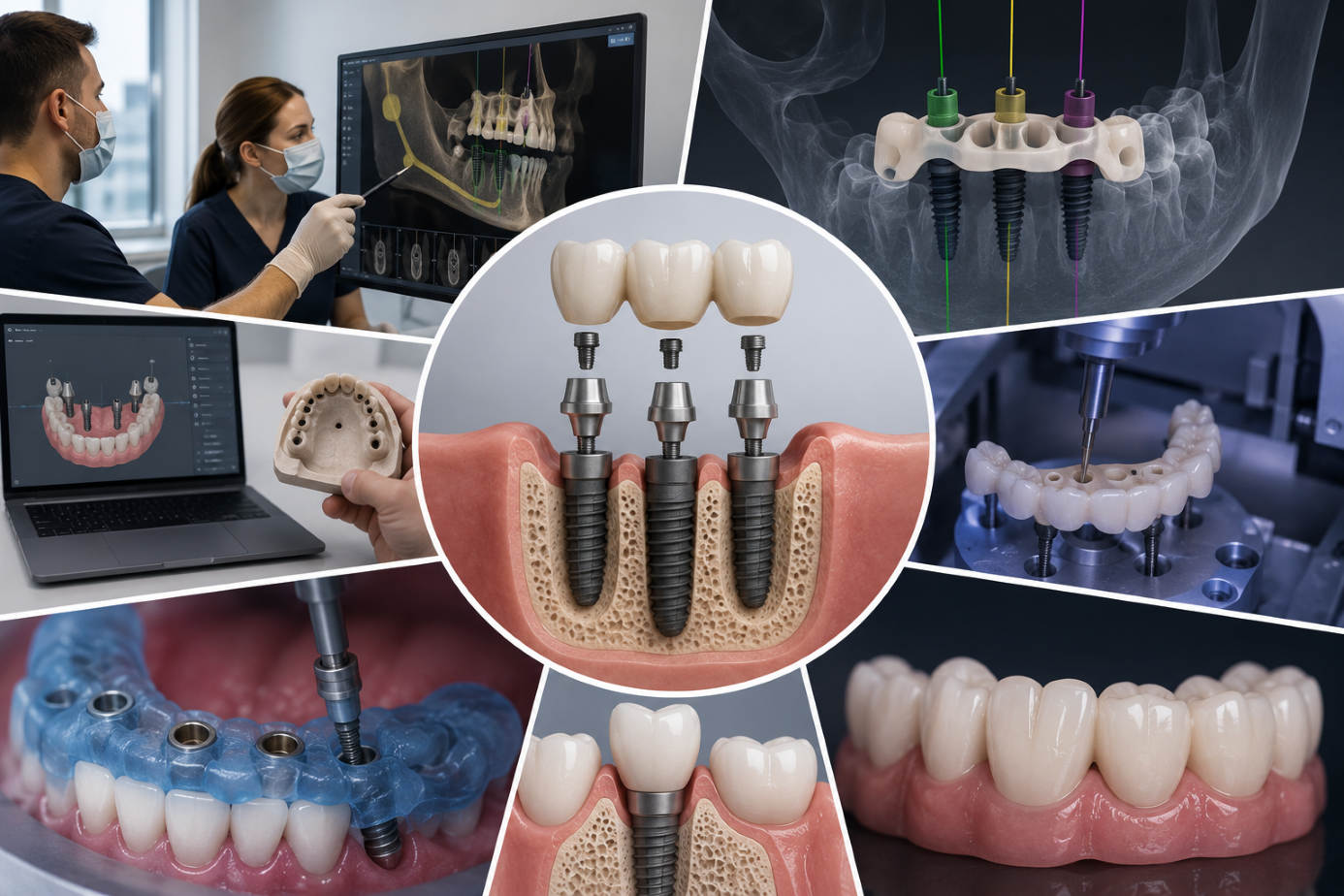
Case planning is the process of analyzing all clinical, surgical, restorative, and aesthetic factors before implant treatment begins. It involves collaboration between dentists, surgeons, prosthodontists, and dental laboratory technicians to create a comprehensive treatment plan.

A successful plan considers:

  • Bone quality and volume
  • Soft tissue condition
  • Implant position
  • Occlusion
  • Restoration design
  • Patient expectations
  • Long-term maintenance

Comprehensive planning allows clinicians to anticipate challenges and minimize complications before they occur.


Improving Treatment Predictability

One of the main reasons why case planning is essential for implant restorations is that it improves treatment predictability.

Through detailed evaluation, clinicians can:

  • Select the ideal implant position
  • Determine the appropriate number of implants
  • Plan prosthetic design
  • Avoid anatomical complications
  • Improve restorative accuracy

By addressing these factors early, case planning reduces uncertainty and increases the likelihood of long-term success.


Ensuring Proper Implant Placement

Successful implant restorations depend heavily on implant positioning. Incorrect placement can compromise aesthetics, occlusion, and restoration longevity.

During the planning stage, clinicians evaluate:

Bone Availability

Three-dimensional imaging helps determine whether there is sufficient bone to support implants.

Anatomical Structures

Critical structures such as nerves and sinuses must be identified before surgery.

Prosthetic Requirements

Implants should be placed according to the final restoration design rather than surgical convenience alone.

Prosthetically driven implant placement is one of the most important outcomes of effective planning.


Enhancing Aesthetic Outcomes

Modern patients expect implant restorations to look and function like natural teeth. Achieving these expectations requires careful aesthetic planning.

Important considerations include:

  • Smile line
  • Tooth proportions
  • Gingival contours
  • Facial symmetry
  • Shade selection

Well-executed case planning ensures that the final restoration integrates naturally with the patient’s existing oral structures and facial features.


Improving Communication Between Clinics and Laboratories

Implant restorations involve close cooperation between clinicians and dental laboratories. Strong communication reduces errors and improves restorative precision.

Dental laboratories contribute to treatment planning by:

  • Designing restorations
  • Assisting with material selection
  • Evaluating occlusion
  • Supporting digital workflows
  • Fabricating surgical guides

Digital communication tools allow teams to review cases together and make adjustments before production begins.

This collaborative approach improves efficiency and treatment outcomes.


The Role of Digital Technology

Advancements in digital dentistry have transformed implant planning and restorative workflows.

Modern tools include:

  • Cone beam computed tomography (CBCT)
  • Intraoral scanners
  • CAD/CAM systems
  • Digital smile design
  • Surgical guide software

These technologies improve accuracy and allow clinicians to visualize the final result before treatment begins.

Digital workflows also help optimize case planning, reducing the risk of restorative complications.


Preventing Common Implant Complications

Many implant-related problems can be prevented through careful planning.

Potential complications include:

  • Implant misalignment
  • Screw loosening
  • Prosthetic fractures
  • Occlusal overload
  • Peri-implant inflammation
  • Poor aesthetic results

Comprehensive diagnostics and proper treatment planning significantly reduce the likelihood of these issues.

Preventive planning saves time, lowers costs, and improves patient satisfaction.


Selecting the Right Materials and Restoration Type

Case planning also helps clinicians determine the most suitable restorative materials and prosthetic design.

Factors that influence these decisions include:

  • Implant location
  • Bite forces
  • Aesthetic demands
  • Patient habits
  • Oral hygiene

Common restorative options include:

  • Zirconia crowns
  • Hybrid prostheses
  • Implant-supported bridges
  • Screw-retained restorations
  • Cement-retained restorations

Selecting the right materials contributes to long-term implant success.


Long-Term Maintenance and Follow-Up

Implant treatment does not end when the restoration is delivered. Long-term maintenance is essential for preserving implant health and restoration function.

Planning should include:

  • Regular check-ups
  • Professional cleaning
  • Occlusal evaluations
  • Radiographic monitoring
  • Patient education

Incorporating maintenance protocols into case planning supports long-term treatment success and reduces future complications.


The Future of Implant Case Planning

Digital innovation continues to improve implant dentistry.

Emerging technologies include:

  • Artificial intelligence-assisted treatment planning
  • Advanced facial scanning
  • Enhanced surgical guides
  • Cloud-based collaboration
  • Automated restoration design

These developments are making implant treatment more predictable, efficient, and patient-centered.

As technology evolves, the importance of comprehensive planning will continue to grow.


Conclusion

Case planning is one of the most important factors in successful implant restorations. From evaluating anatomy and selecting materials to optimizing implant placement and improving communication, every stage of treatment benefits from a structured approach.

By prioritizing case planning, dental professionals can reduce complications, enhance aesthetics, and deliver restorations that provide long-term function and patient satisfaction. In modern implant dentistry, careful planning remains the foundation of predictable and successful outcomes.

Start Your Case Planning