Digital Dentistry, General

Screw-Retained vs Cement-Retained Implant Crowns

Introduction

Dental implant restorations have become one of the most reliable and long-lasting solutions in modern dentistry. Among the most discussed topics in implant prosthetics is the choice between screw-retained and cement-retained restorations. Understanding the differences between these two restoration types is essential for dentists, dental technicians, and patients seeking optimal clinical outcomes.

Both systems offer unique advantages and limitations depending on the clinical situation, esthetic expectations, and long-term maintenance requirements. Choosing the correct restoration design can significantly impact functionality, hygiene, and patient satisfaction.

This article explores the differences between screw-retained and cement-retained implant crowns, including their benefits, disadvantages, and ideal indications.

What Are Screw-Retained Implant Crowns?

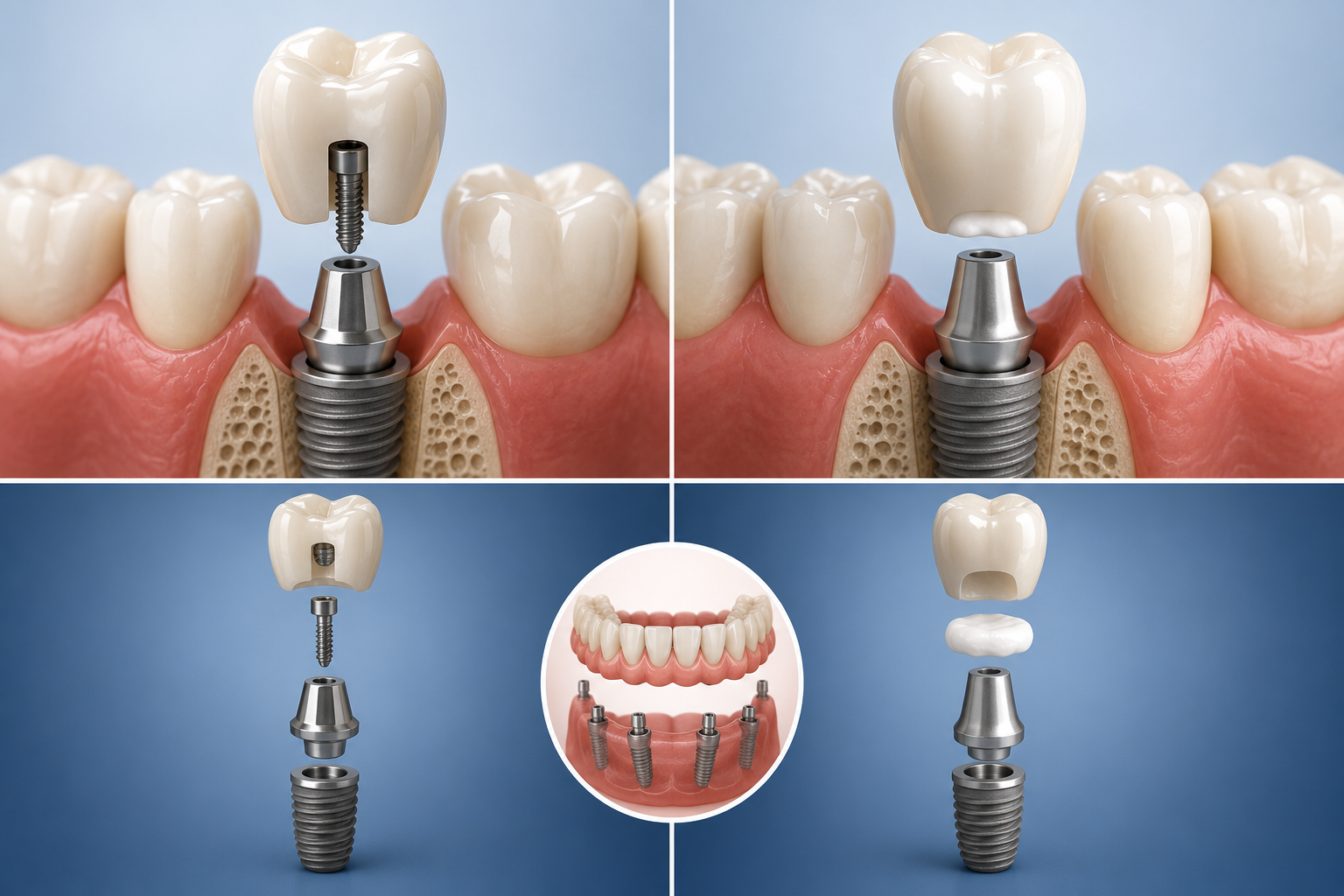
Screw-retained implant crowns are restorations directly attached to the implant using a fixation screw. The crown is secured mechanically, allowing easy removal when necessary for maintenance or repair.

In modern implant dentistry, screw-retained restorations are increasingly preferred due to their retrievability and predictable maintenance process.

Key characteristics of screw-retained restorations include:

  • Direct screw fixation to the implant
  • Easy retrievability
  • Reduced risk of residual cement complications
  • Simplified maintenance and repairs
  • Better long-term accessibility

Many clinicians choose screw-retained restorations because they support a more conservative and maintenance-friendly workflow.


Advantages of Screw-Retained Restorations

One of the biggest advantages of screw-retained restorations is retrievability. Dentists can easily remove the crown for cleaning, repairs, or implant evaluation without damaging the restoration.

Additional benefits include:

Improved Maintenance

Screw-retained restorations allow easier access to implants and surrounding tissues during follow-up appointments.

Reduced Biological Complications

Residual cement around implants may lead to inflammation or peri-implantitis. Since screw-retained restorations do not require cement, this risk is minimized.

Better Long-Term Control

Clinicians can remove and adjust screw-retained restorations whenever necessary, making long-term maintenance more predictable.

Digital Workflow Compatibility

Modern CAD/CAM systems have improved the precision and popularity of screw-retained restorations in digital dentistry.


Disadvantages of Screw-Retained Restorations

Despite their benefits, screw-retained restorations also have limitations.

Esthetic Challenges

The screw access hole may affect esthetics, especially in anterior restorations where the access channel can become visible.

Angulation Limitations

Improper implant angulation can compromise the position of the screw channel, affecting function and appearance.

Technical Sensitivity

Screw-retained restorations often require highly accurate implant positioning and precise laboratory fabrication.

Although screw-retained restorations are highly functional, careful planning is necessary to achieve optimal esthetic results.


What Are Cement-Retained Implant Crowns?

Cement-retained implant crowns are restorations cemented onto an abutment connected to the implant. This design closely resembles traditional crown and bridge procedures used in restorative dentistry.

Cement-retained restorations are widely used because they provide excellent esthetics and simplified occlusal design.

Features of cement-retained restorations include:

  • Cemented crown placement
  • Improved esthetic appearance
  • No visible screw access hole
  • Flexible implant angulation management
  • Traditional restorative workflow

Many clinicians prefer cement-retained restorations in highly esthetic areas of the mouth.


Advantages of Cement-Retained Restorations

Cement-retained restorations remain popular due to their esthetic and restorative advantages.

Superior Esthetics

The absence of a screw access hole allows for more natural-looking restorations, especially in anterior teeth.

Simpler Occlusal Anatomy

Without a screw channel, technicians can design more ideal occlusal surfaces.

Easier Implant Angulation Compensation

Cement-retained restorations provide more flexibility when implants are not ideally positioned.

Familiar Clinical Workflow

Many dentists are already experienced with conventional cementation procedures, making this system easy to integrate into daily practice.


Disadvantages of Cement-Retained Restorations

Although cement-retained restorations offer excellent esthetics, they also present several clinical risks.

Risk of Residual Cement

Excess cement trapped around implants can lead to inflammation, bone loss, and peri-implant disease.

Limited Retrievability

Removing cement-retained restorations may be difficult and can potentially damage the crown.

Maintenance Challenges

Long-term implant maintenance can become more complicated if the restoration cannot be easily removed.

Because of these concerns, clinicians must carefully manage cement application during placement procedures.


Which Option Is Better?

There is no universal answer when comparing screw-retained and cement-retained restorations. The best choice depends on several factors, including:

  • Implant position
  • Esthetic requirements
  • Occlusal conditions
  • Soft tissue anatomy
  • Maintenance expectations
  • Dentist and technician preference

Screw-retained restorations are often preferred for full-arch restorations and cases requiring easy maintenance. Meanwhile, cement-retained restorations may offer superior esthetics in visible anterior regions.

Successful implant treatment depends on proper communication between the dentist and dental laboratory when selecting the ideal restoration type.


The Role of Digital Dentistry in Implant Restorations

Modern digital workflows have improved both screw-retained and cement-retained restorations. CAD/CAM technology enables highly precise implant prosthetics with better fit and consistency.

Digital dentistry helps dental laboratories achieve:

  • Accurate implant positioning
  • Better restoration fit
  • Improved occlusal design
  • Faster production workflows
  • Enhanced esthetic planning

As technology continues to evolve, digital solutions will further improve the success of implant restorations.


Conclusion

Both screw-retained and cement-retained implant crowns offer valuable advantages in restorative dentistry. Screw-retained restorations provide easier maintenance, retrievability, and reduced biological complications, while cement-retained restorations deliver superior esthetics and restorative flexibility.

The ideal treatment approach depends on the patient’s clinical condition, implant placement, and esthetic expectations. With proper planning and collaboration between clinicians and dental laboratories, both systems can achieve highly successful long-term outcomes.

Start Your Case Planning